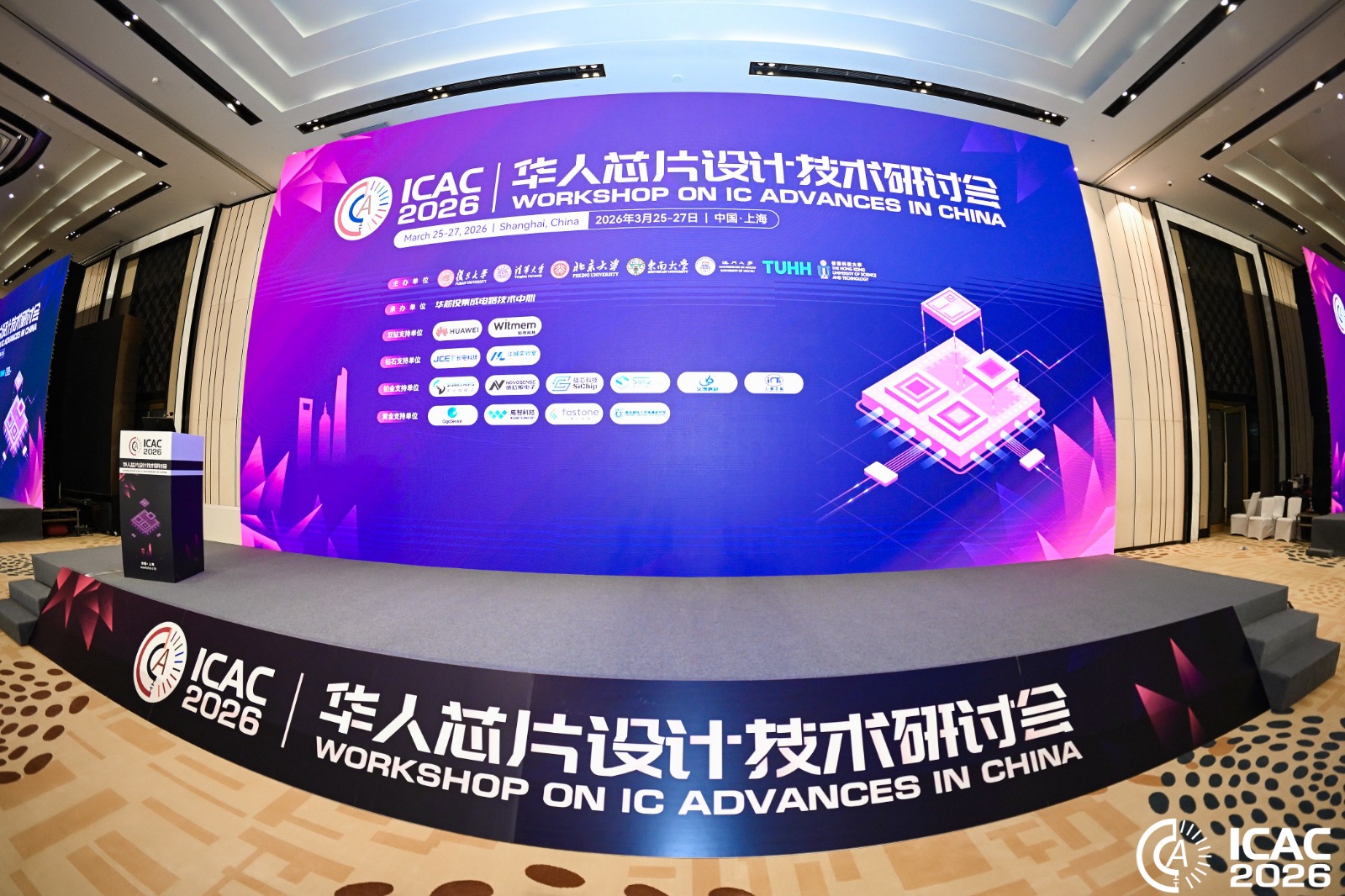
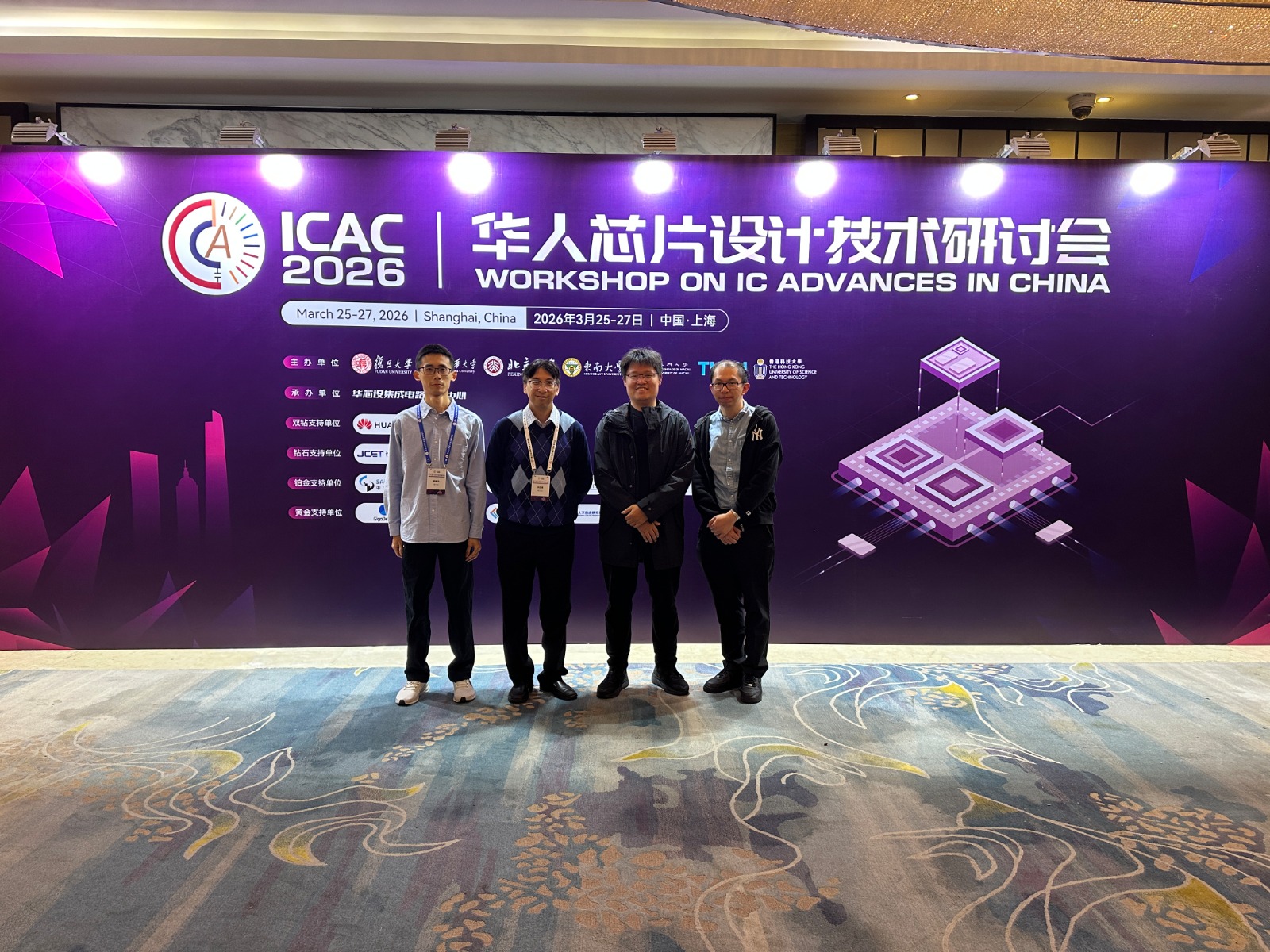
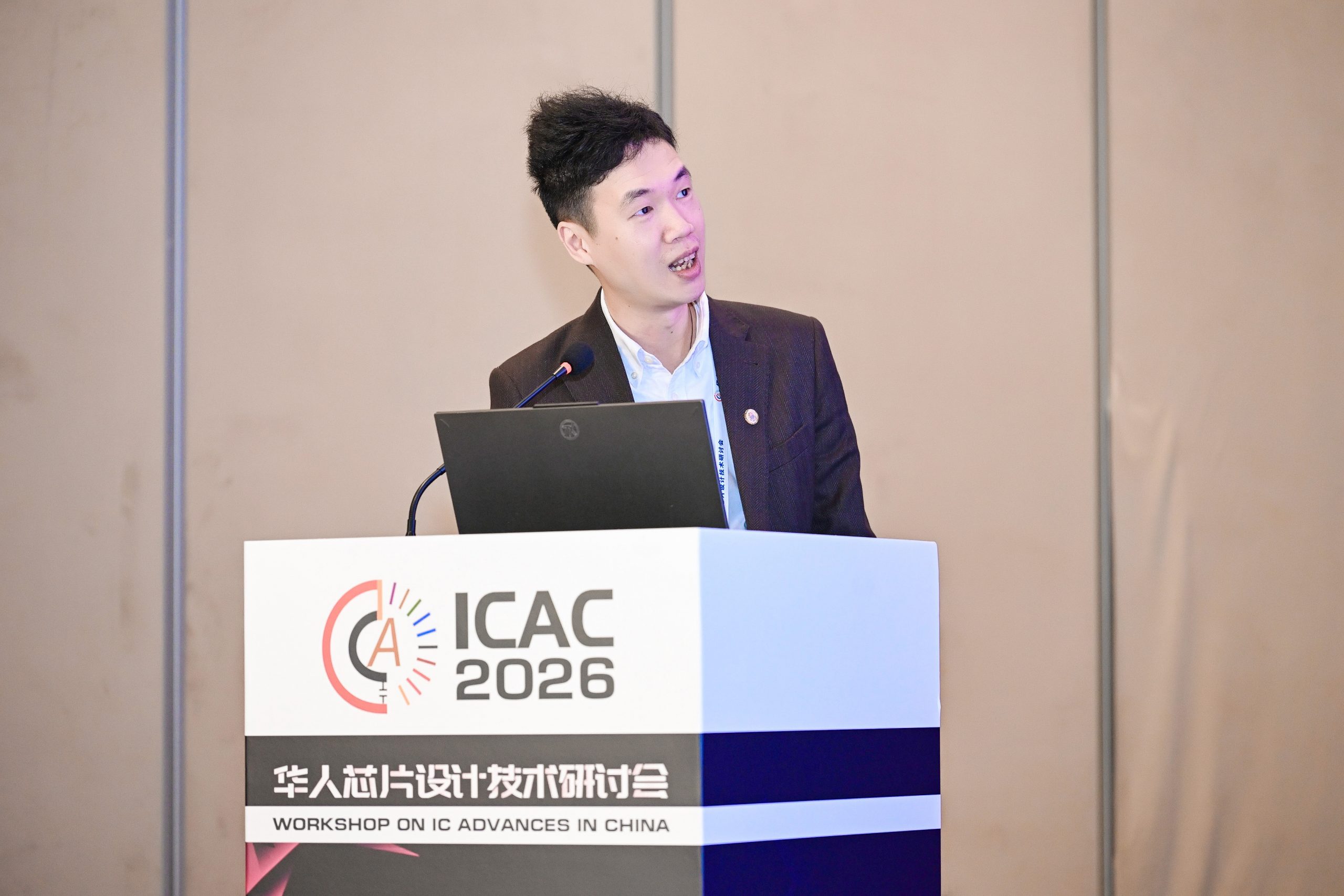
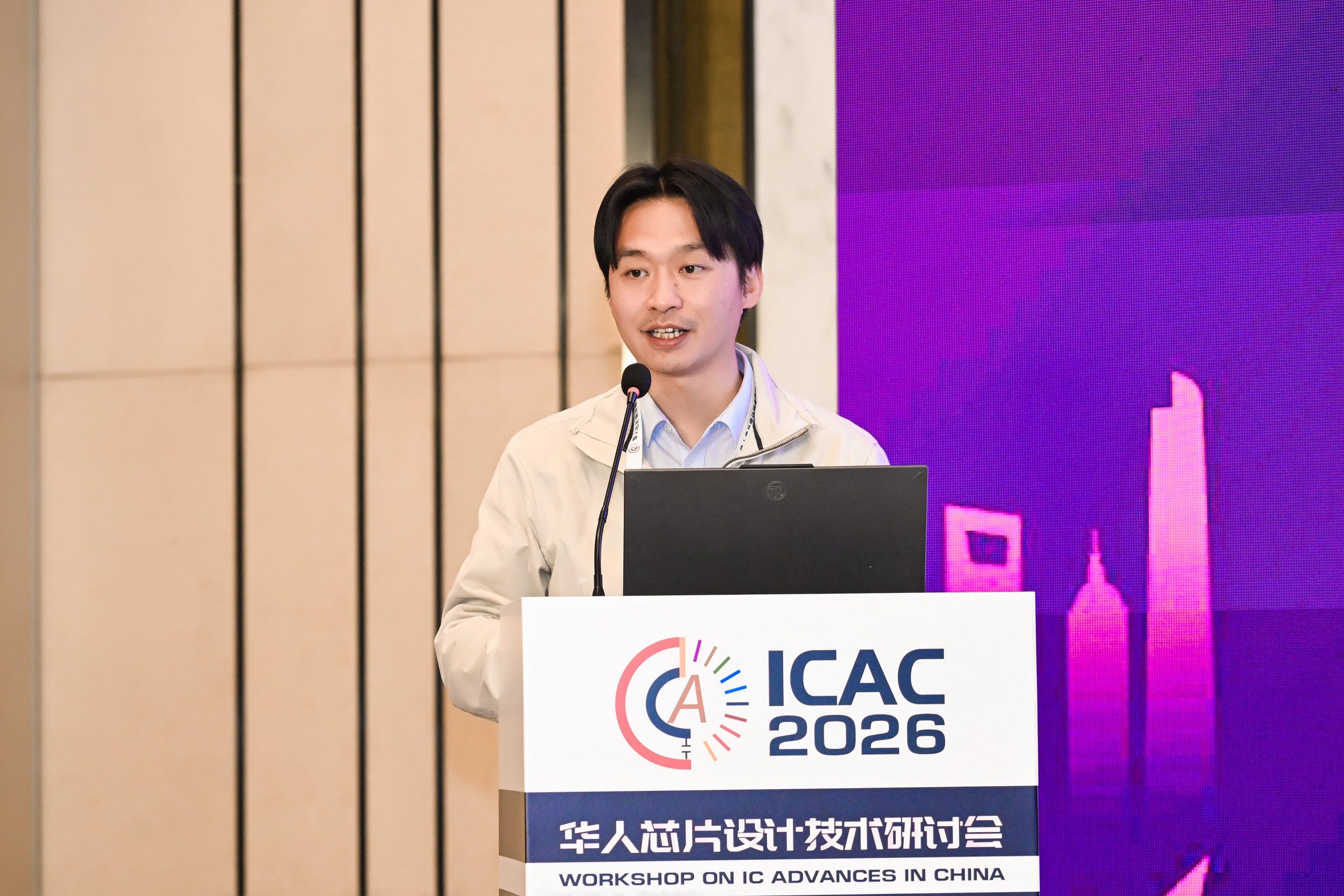
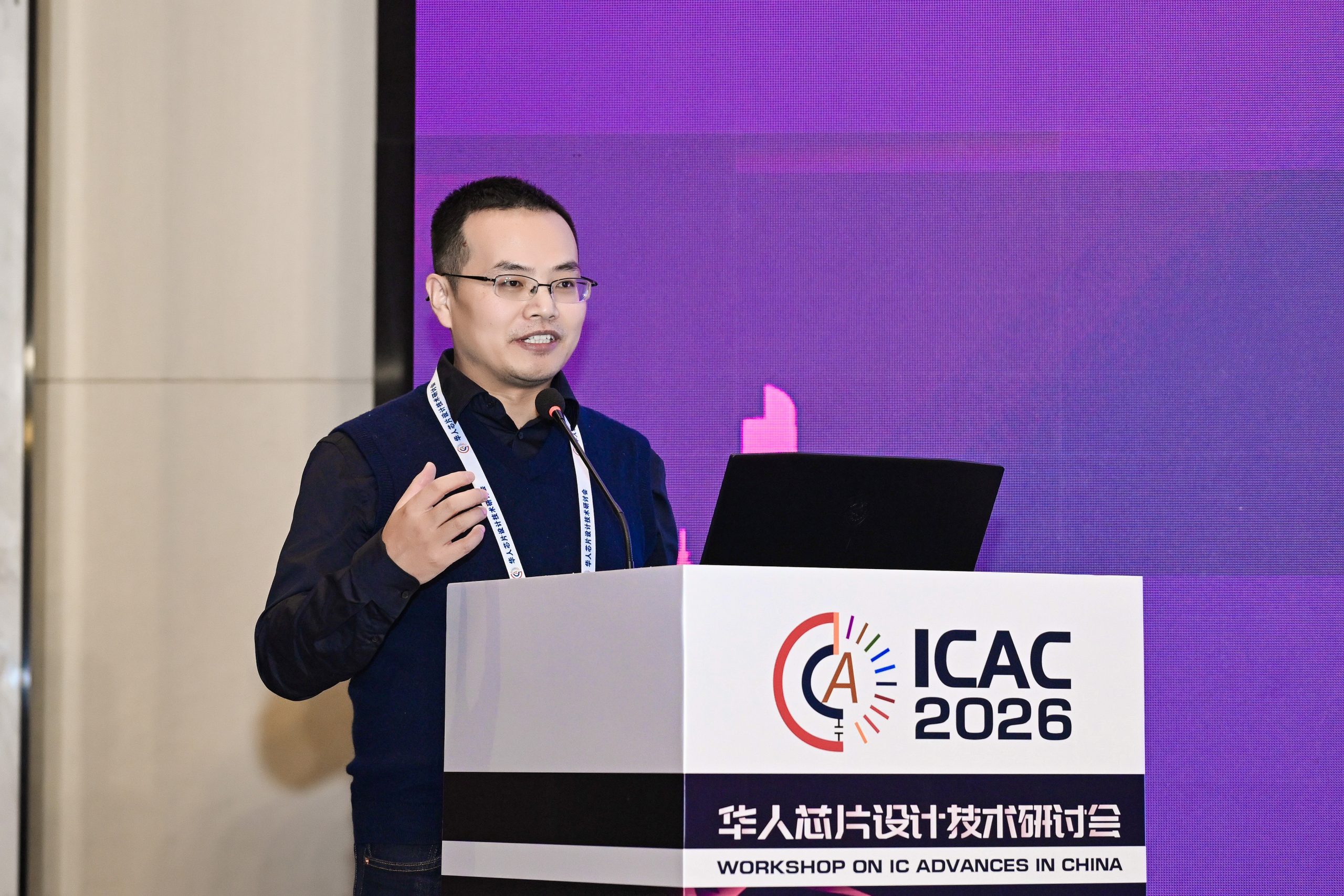
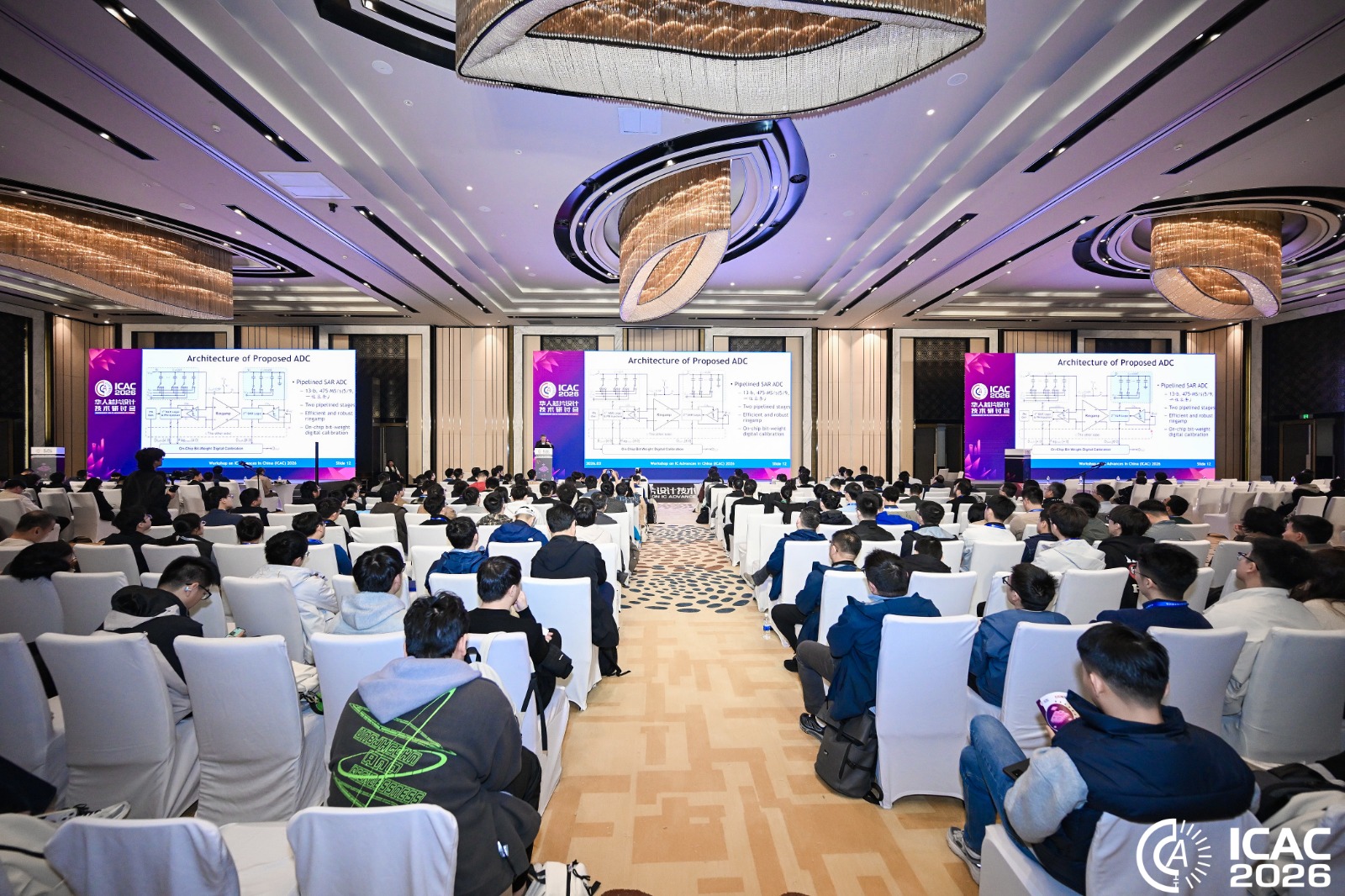
The 8th ICAC Workshop, jointly organized by the University of Macau (UM), Fudan University, Tsinghua University, Peking University, Southeast University, and the Hong Kong University of Science and Technology, was successfully held in Shanghai. Returning to Shanghai after two years, the workshop brought together colleagues from industry and academia for in-person exchanges and in-depth discussions. Record highs were achieved in the number of speakers, attendees, and supporting organizations. Twelve professors from the Institute of Microelectronics (IME) of UM were invited to participate and deliver keynote speeches. This year’s conference featured expert and invited speakers, as well as instructors for the chip design training courses—representing a 27% increase compared with the 102 in 2025.
ICAC consistently focuses on inviting researchers who have published papers at ISSCC or JSSC within the past one to two years. At ISSCC, which concluded this February, researchers from mainland China, Hong Kong, and Macau had a total of 96 papers accepted, ranking first globally and accounting for nearly 40% of all accepted papers. This is a remarkable achievement for Chinese IC research on the international stage, and IME is honored to be a witness to—and participant in—this thriving momentum.
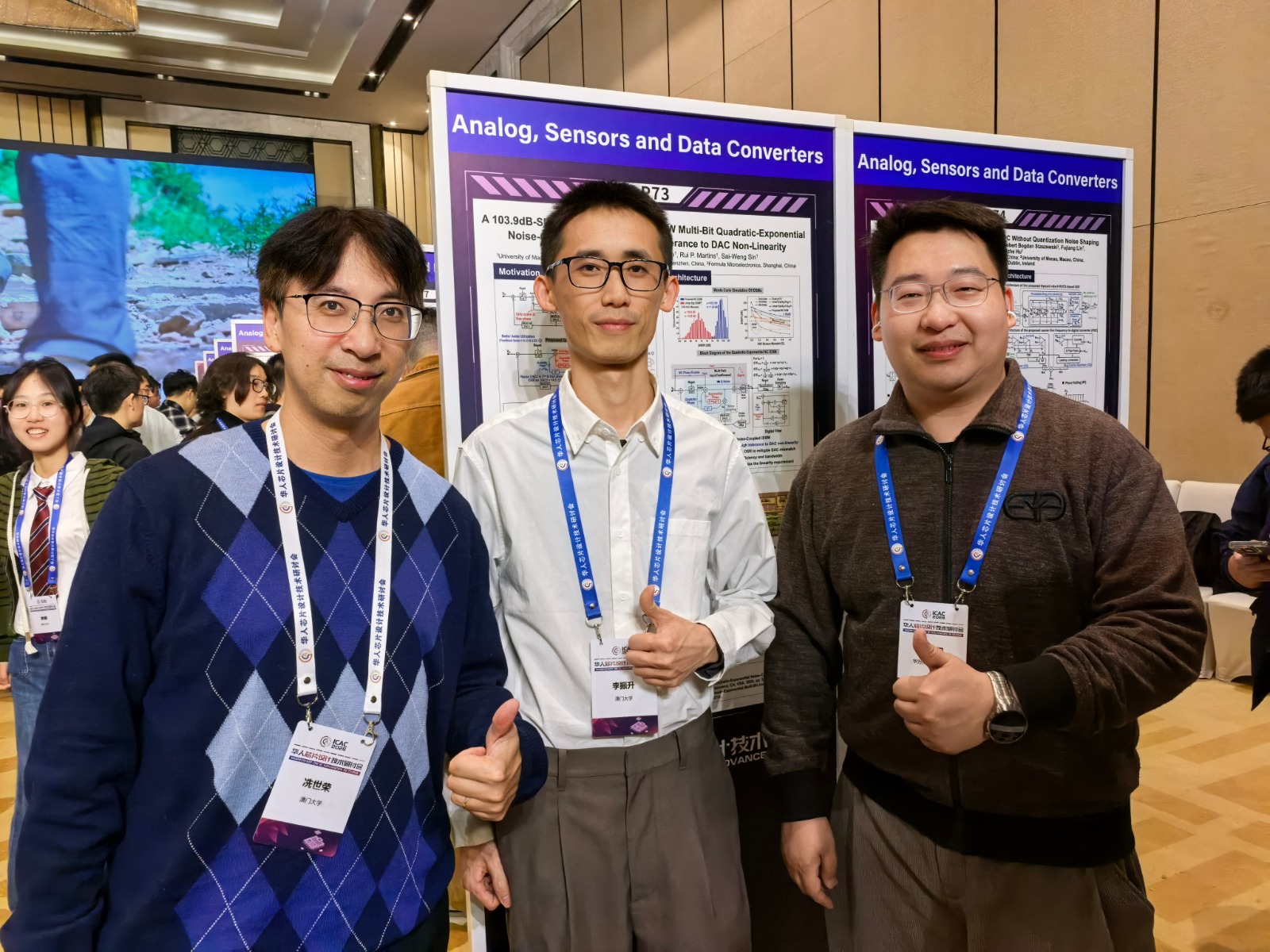
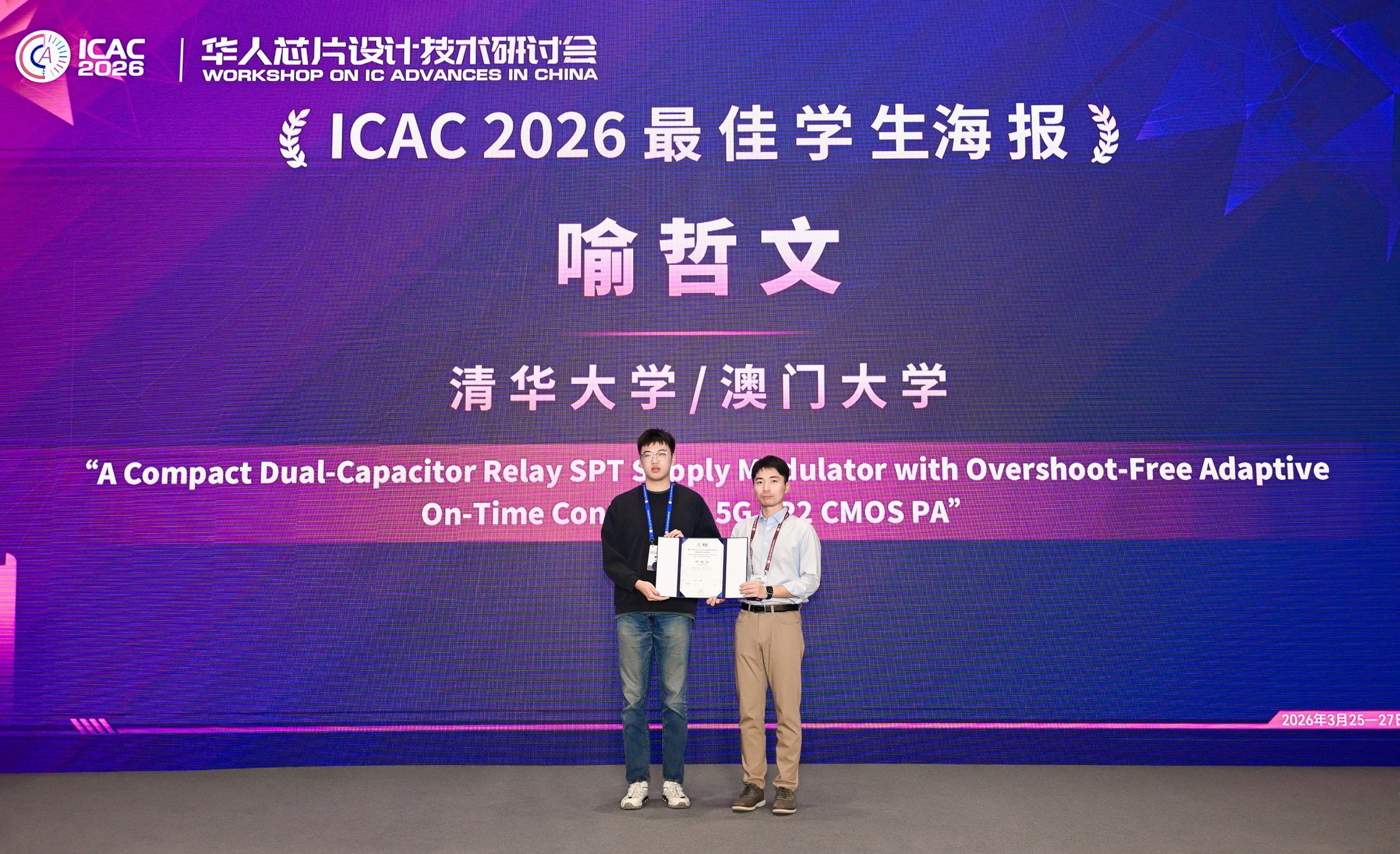
This year, 92 student posters were exhibited. The poster session was as popular as ever, running from 7:00 pm to 9:00 pm, with a consistently enthusiastic atmosphere for interactions and discussion. University of Macau graduate student Yu Zhewen won the Best Student Poster award.
In terms of attendance, total registrations reached 871, with university students accounting for 37%, company representatives 38%, university faculty 20%, and research institutes 5%. The enthusiastic participation of outstanding students from universities across the region remains an indispensable source of vitality for ICAC. The higher proportion of working professionals indicates that companies are placing greater emphasis on original technology R&D, and also reflects the increasingly mature integration of industry, academia, and research. We hope that students, professors, and engineers alike gain valuable insights from ICAC, helping China’s IC industry build a self-sustaining, continuously iterating ecosystem. “May ICAC grow together with China’s integrated circuit industry, becoming an important bridge connecting academic frontiers and industrial practice” remains ICAC’s unwavering mission. IME looks forward to gathering again next year with industry experts to discuss the future of chips.